

Serial Fiction
Grave Diggers
by Alexis Rae
The Crystal City is the brightest place in a broken world, a sunlit island of impossible architecture, recovered technology, old magic, and people who believe the past belongs to everyone. At its heart is Grave Digger Academy, where young archaeologists learn through mazes, simulated ruins, strange creatures, ancient machines, dead languages, and puzzles designed to reward curiosity as much as competence. The work is dangerous sometimes, ridiculous often, and exactly what its students came for. Melody Quill arrives determined to prove she belongs. David Vale keeps finding things that shouldn’t exist. Lucan Glass can turn almost anyone into a functional team. Joss Rill would rather crawl inside a broken machine than leave it alone. Loria Kade wants to know what every symbol, ritual, and forgotten room once meant. Bram Silt would very much like everyone to stop calling the potentially venomous thing a monster until he has examined it properly. They begin as six brilliant, incompatible students thrown into the same maze. They won’t stay students forever. As their academy games become real expeditions, the Grave Diggers will uncover buried cities, lost ecosystems, forgotten cultures, impossible technologies, and powers that survived the apocalypse underground. Every discovery adds another piece to the question no one has been able to answer: **what actually happened to the old world, and what should the new one do with everything it left behind?** Because knowledge wants to be found. And some things have been waiting a very long time for someone curious enough to dig.
Episodes
Season 1
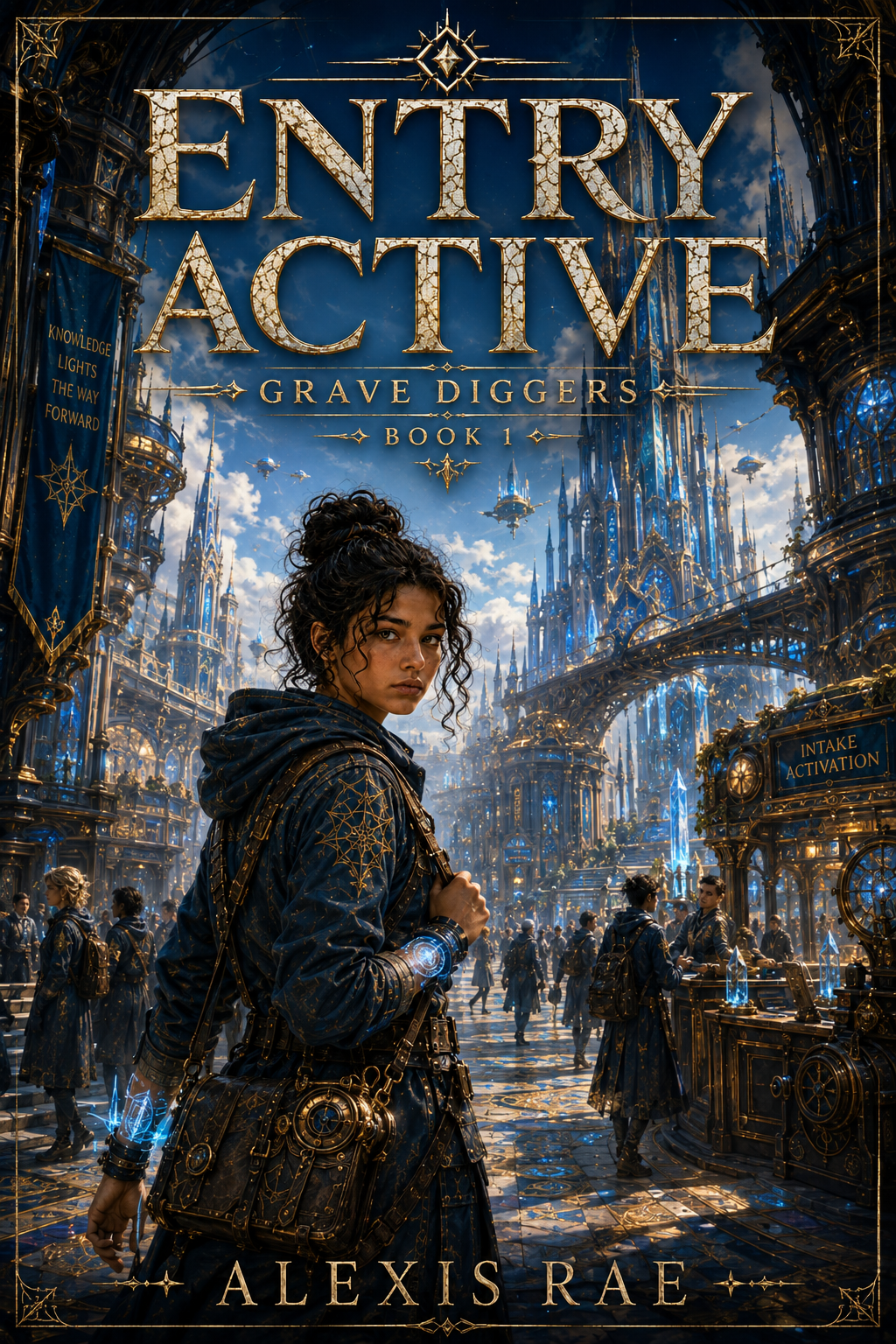
Entry Active Free season
Melody Quill has spent years imagining the Crystal City. Actually arriving is more intimidating. The city is brighter, busier, and far less interested in waiting for her to feel prepared than she expected. Before she can decide where she belongs among students who already seem effortlessly at home, academy intake sorts her beside five strangers who are impossible to rank by any single measure. Lucan organizes. Joss notices machines. Loria reads meaning into details everyone else overlooks. Bram watches the living environment. David reacts to things before he can explain why. And Melody desperately wants a real test that will tell her where she stands among them. The academy obliges. Group Four is sent directly to the Maze Works, where a sealed gate opens onto darkness without a goal, a leader, or a single instruction beyond one undeniable fact: ENTRY ACTIVE.
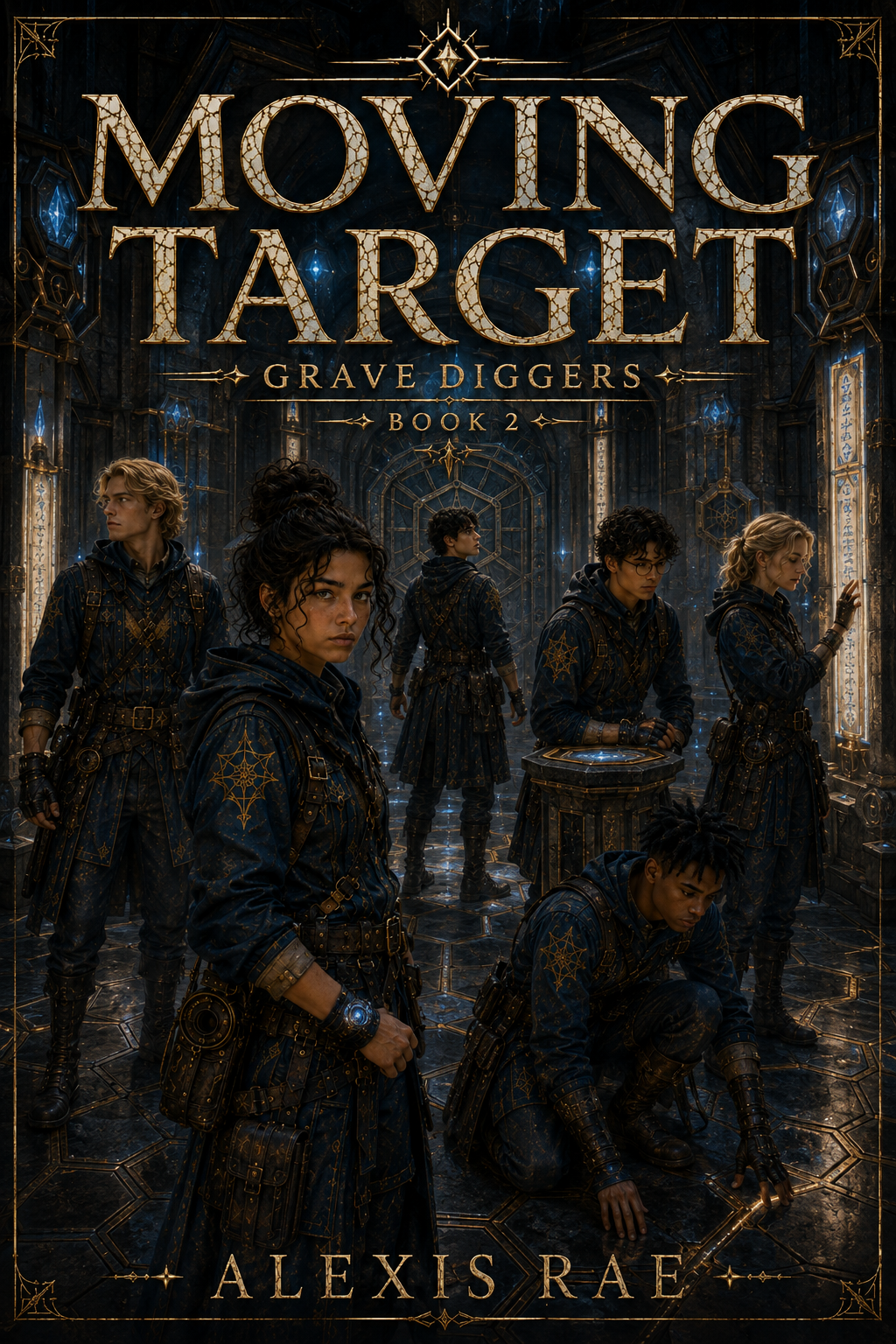
Moving Target Free season
The Maze Works gives Group Four four passages and absolutely no instructions. Melody’s solution is obvious: establish a baseline, isolate variables, and refuse to touch anything until they understand the untouched state. The other five make that nearly impossible. Joss wants to test a mechanical column. David is inexplicably certain one passage matters. Loria notices signals that may be responding to meaning rather than position. Bram discovers the maze’s hazards react to the way the students arrange themselves. Lucan keeps moving people before Melody can finish recording where they were. Every action produces new evidence. Every new piece of evidence changes the experiment. Soon a moving slab is hunting concentrations of students through the chamber, and Melody has to abandon the fantasy of perfect observation long enough to record the only thing that matters: The maze is changing because they are.
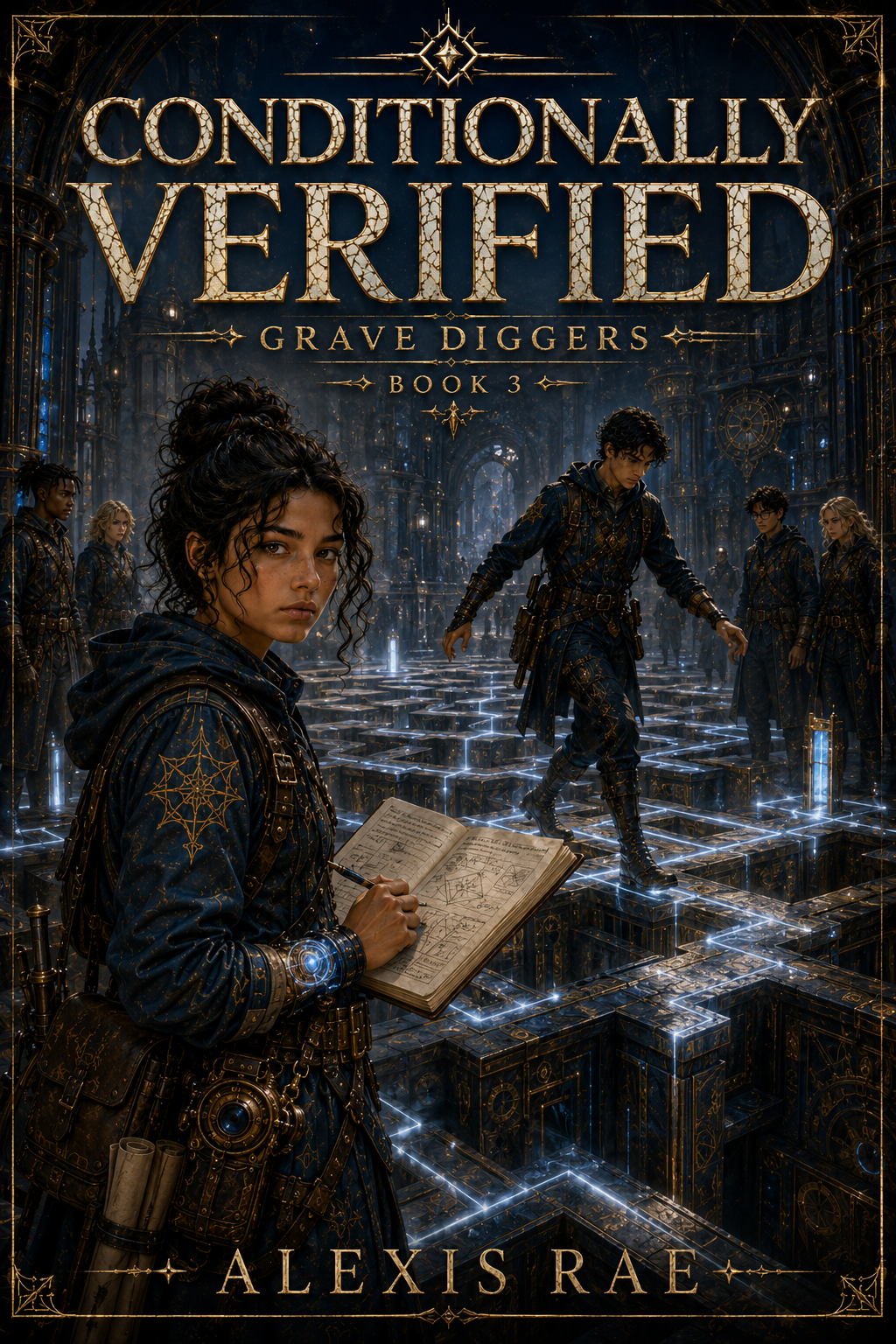
Conditionally Verified Free season
Finally, Melody finds something repeatable. Five illuminated floor seams activate in a precise cycle. The timing repeats. The wall panels match. David successfully crosses one zone at a time exactly when Melody predicts. For once, the maze behaves like a system she can prove. Melody builds the procedure, tests it repeatedly, records its limits, and marks it CONDITIONALLY VERIFIED. Then a wall hazard nearly catches Joss. Lucan moves him. The group’s formation changes. And Melody’s perfectly correct procedure stops working. The evidence was not wrong. The conditions were. Now Melody must learn something much harder than finding the right answer: how to recognize when a proven answer has stopped describing the problem in front of her.
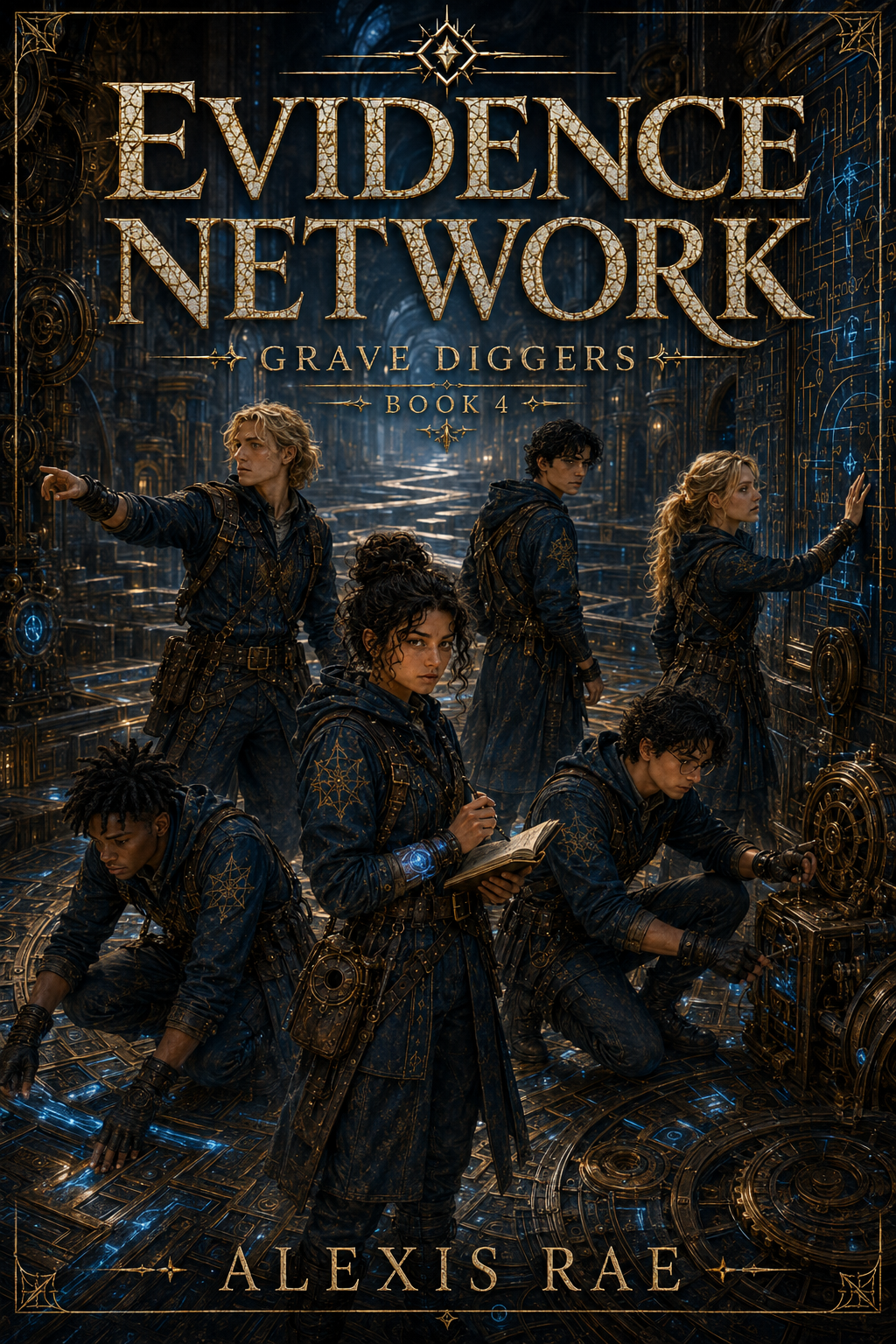
Evidence Network Free season
No one member of Group Four can read the Maze Works alone. Loria sees changing signals. Bram predicts hazards. Joss recognizes mechanisms that are safer left untouched. David commits to routes the maze only reveals after he chooses them. Lucan turns all of those incomplete observations into formations six bodies can actually execute. Melody does something different. She keeps their partial truths from becoming larger claims than the evidence can support. As responsive walls, shifting floor hazards, hidden mechanisms, and competing routes force the six deeper into the maze, Melody begins recording not a single model of the maze, but a model of how the group observes it. A provisional evidence network. It works. The uncomfortable question is whether useful functions will remain useful once someone decides they should become permanent roles.
State Boundary Free season
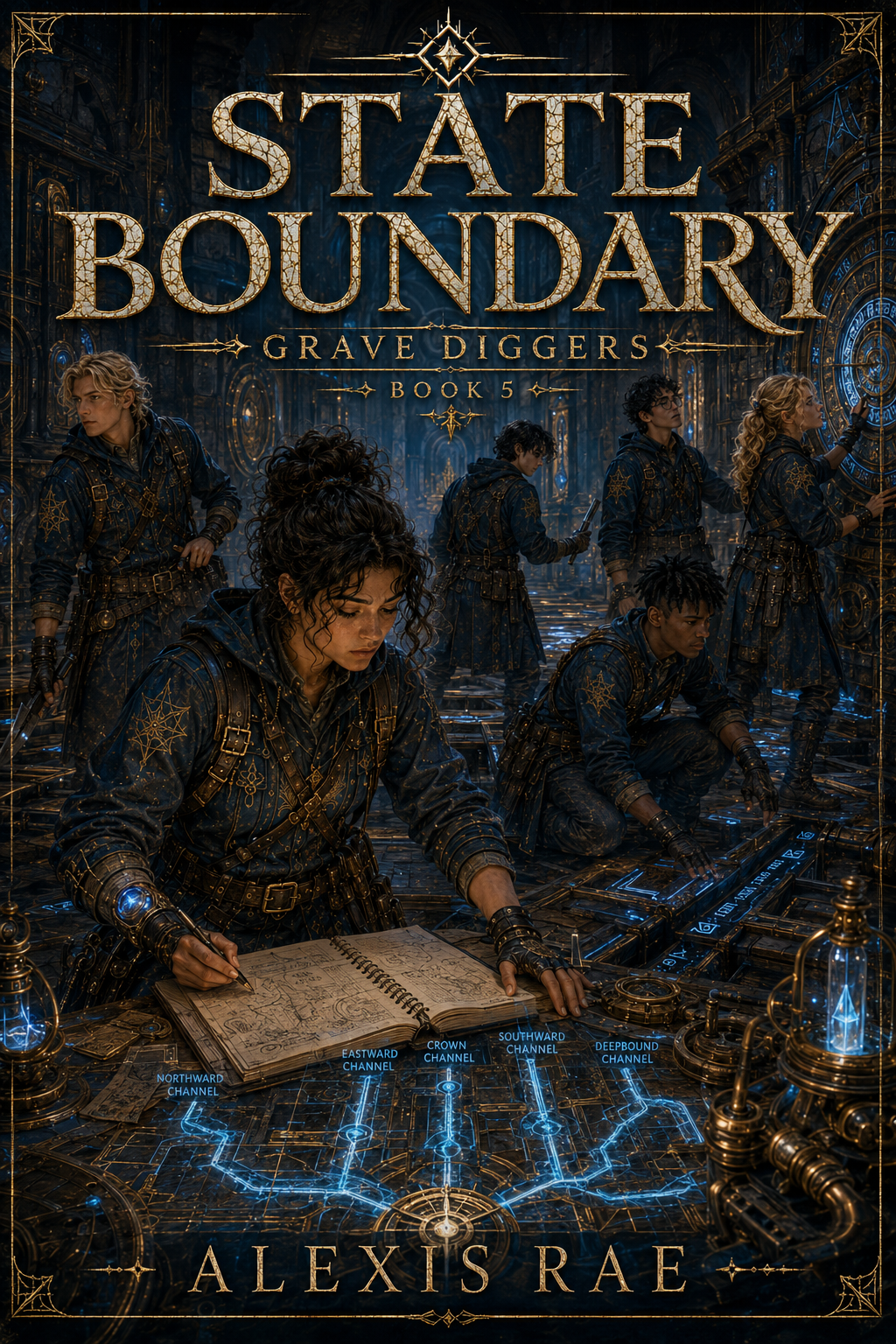
The maze has started giving everyone enough evidence to be right. Just not about the same thing. Joss can correctly stabilize a mechanism and completely change Loria’s signal state. Bram can correctly predict dangerous floor behavior without knowing what causes it. David can produce route information only by committing before everyone else has finished evaluating the choice. Each method works locally. Each action changes the conditions everyone else is studying. Melody keeps looking for the channel that should outrank the others, but every hierarchy throws away information they still need. The breakthrough comes when she stops asking which method controls the maze and starts tracking the boundaries between states instead. A correct answer can remain correct. And still stop being the answer to the next problem.
Narrowest Claim Free season
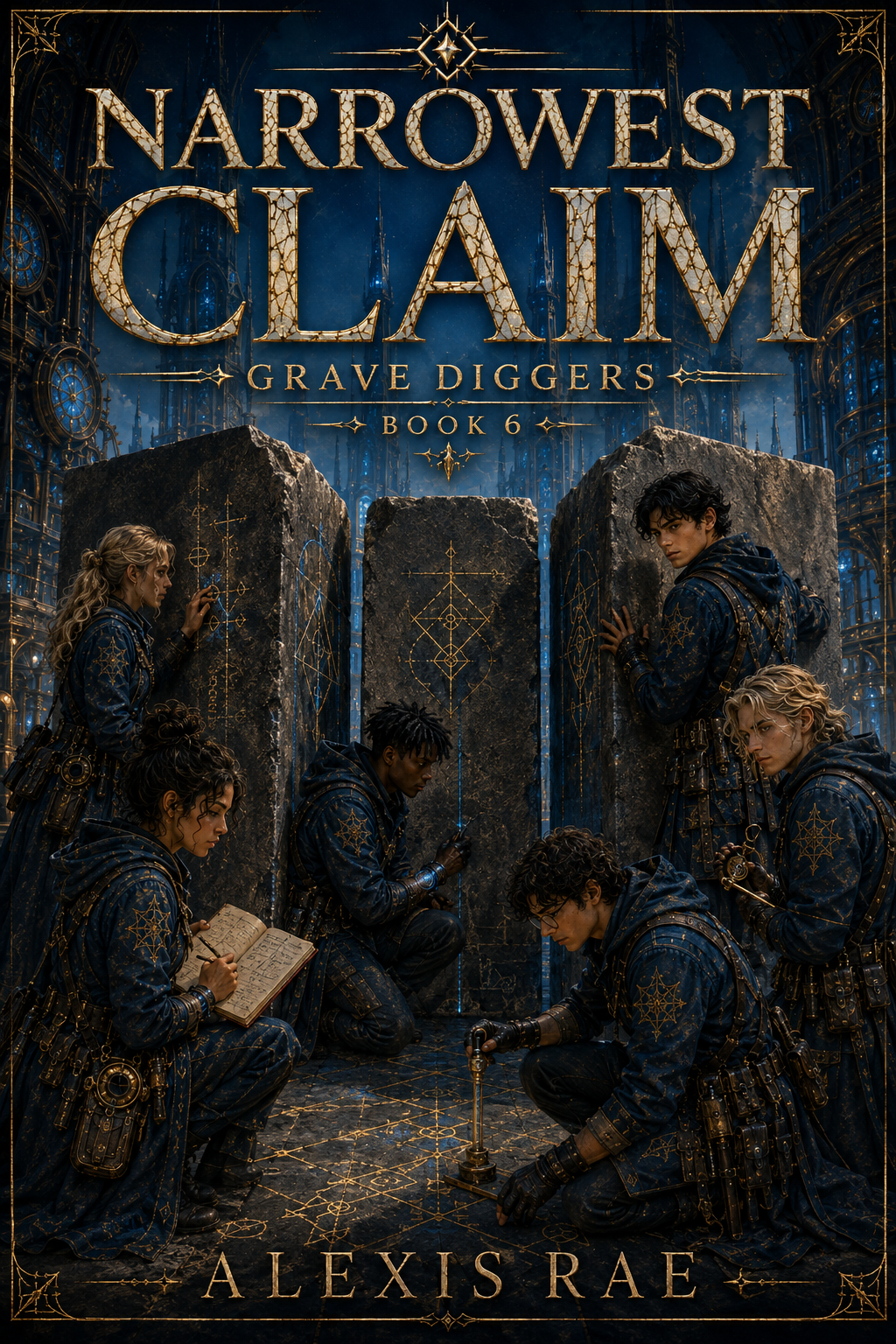
David knows which gap he wants. Melody wants him to prove exactly what that means. Not that the route is safe. Not that the mechanism is irrelevant. Not that Bram’s hazard reading is wrong. Only the narrowest claim the evidence actually supports. That distinction becomes the group’s newest survival tool as three stone slabs, shifting floor hazards, responsive signals, and hidden machinery force every member of the cohort to act on incomplete information. No one gets to solve the whole maze. They only get to contribute what their evidence can defend. By the time the group reaches stable ground again, Melody has stopped trying to validate every useful observation personally. She scopes it. Compares it. Uses it. And discovers that cooperation can outperform every individual method without producing a single rule for who should have authority next time.
Adaptive Methods Free season
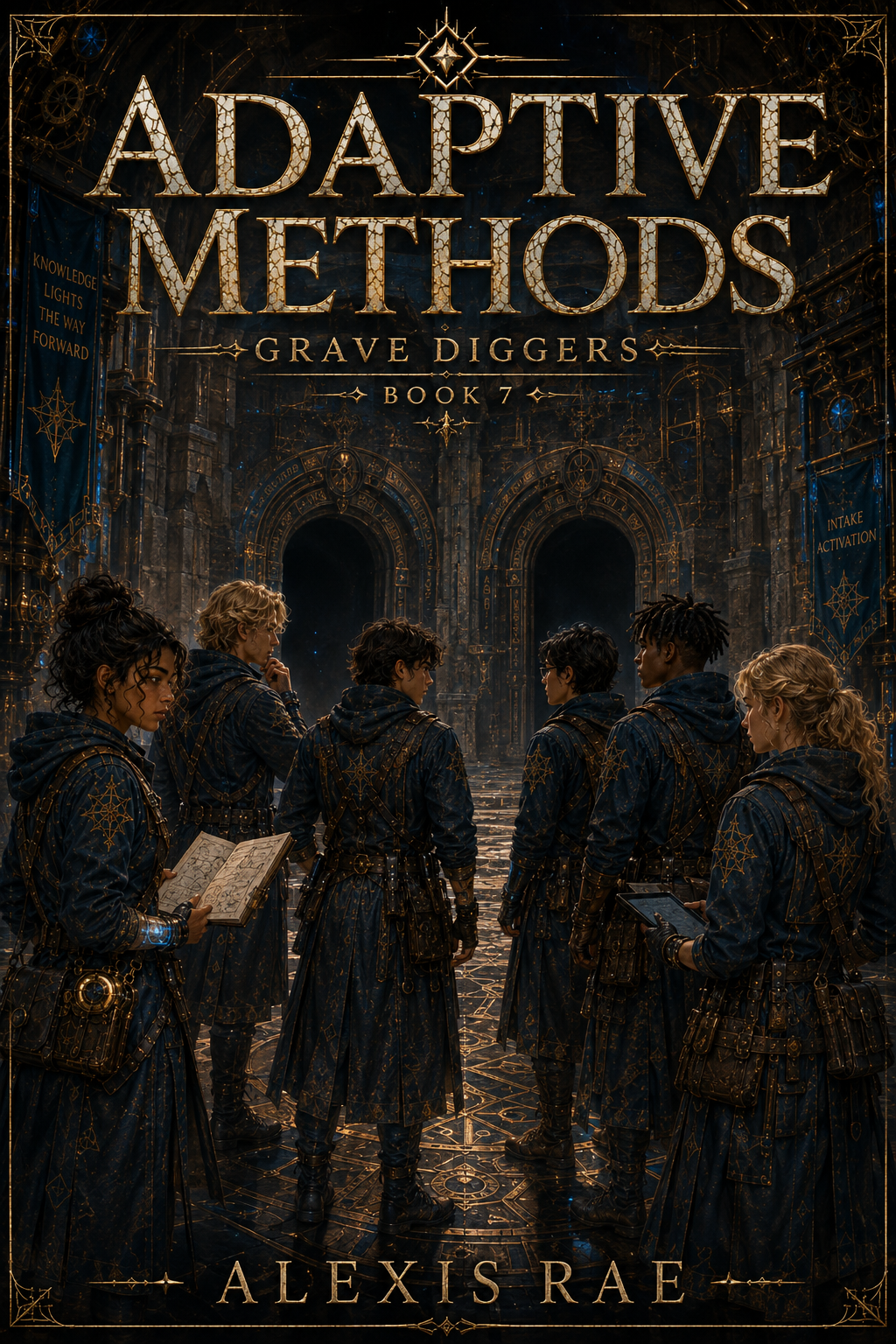
For the first time, the Maze Works gives them nothing. Two dark passages. No route response. No hazard. No symbol. No moving mechanism. No obvious reason for one person’s method to go first. The group has built specialties because specialties work. Now those specialties threaten to become another trap. As the next section begins responding to interactions between commitment, investigation, spacing, hazard boundaries, and restraint, Melody realizes that preserving everyone’s old job is becoming less useful than preserving their ability to change jobs. Separate specialists feeding one stable model will not be enough. Neither will one combined recipe everyone repeats. The maze keeps changing its question. Their method has to change with it. And this time, nobody gets to own the first move.
Dependencies Free season
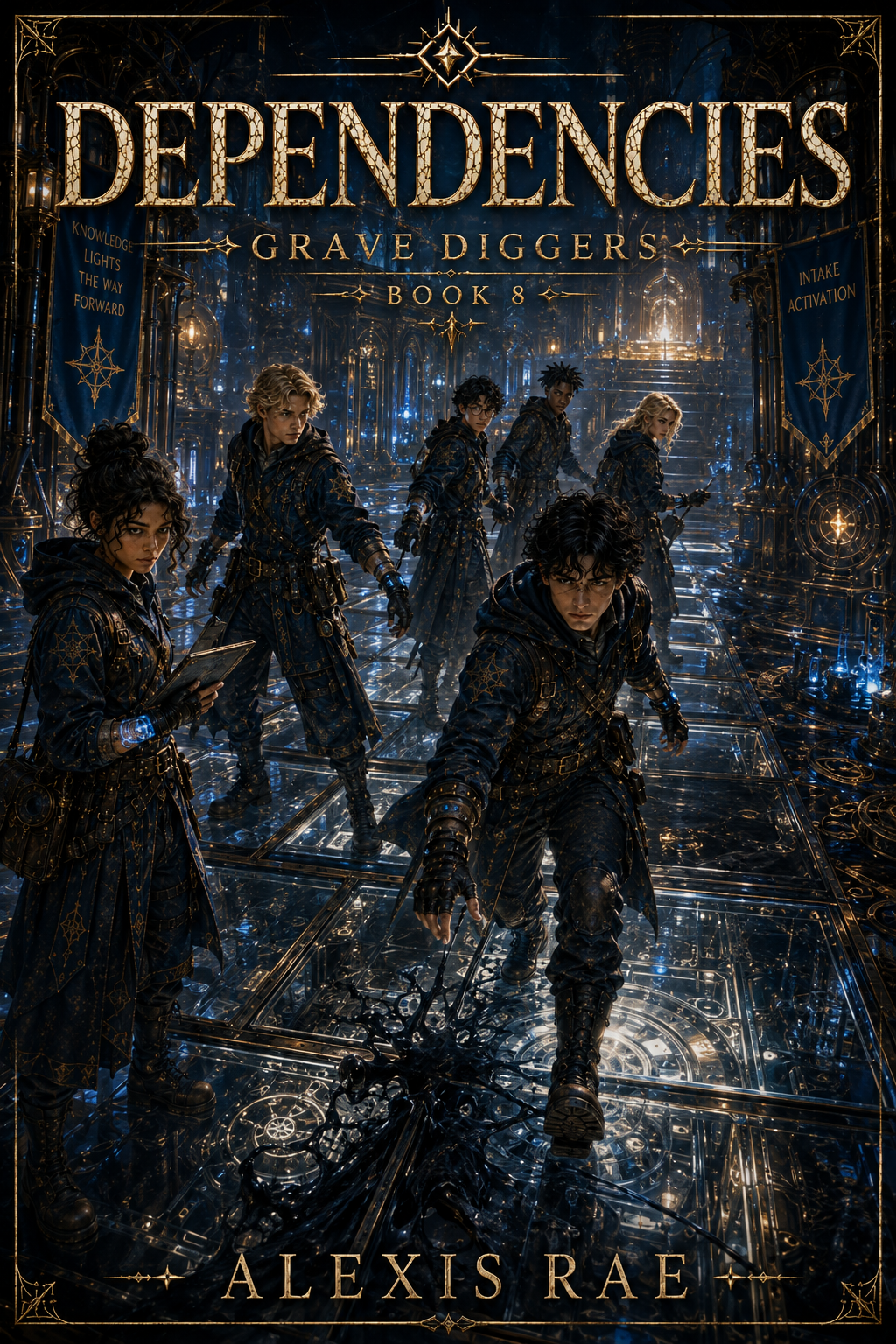
Dark glass changes everything. Every movement leaves a visible effect, but no effect belongs cleanly to the person who caused it. David changes his commitment because Lucan changes the formation. Loria changes what she investigates because Bram’s hazard boundary shifts. Joss contributes by recognizing when not to touch the available mechanism. Melody’s old charts become useless. There are no independent channels anymore. Only dependencies. As the six cross one responsive glass panel after another, Melody stops recording people as separate sources and begins recording the chain itself: investigation changes boundary, boundary changes formation, formation changes commitment, commitment changes route. Then the maze goes completely quiet. Six paths enter a blank circular chamber. Nothing responds. No additional test removes the uncertainty. For the first time, adapting their method is not enough. They are going to have to choose while still not knowing.
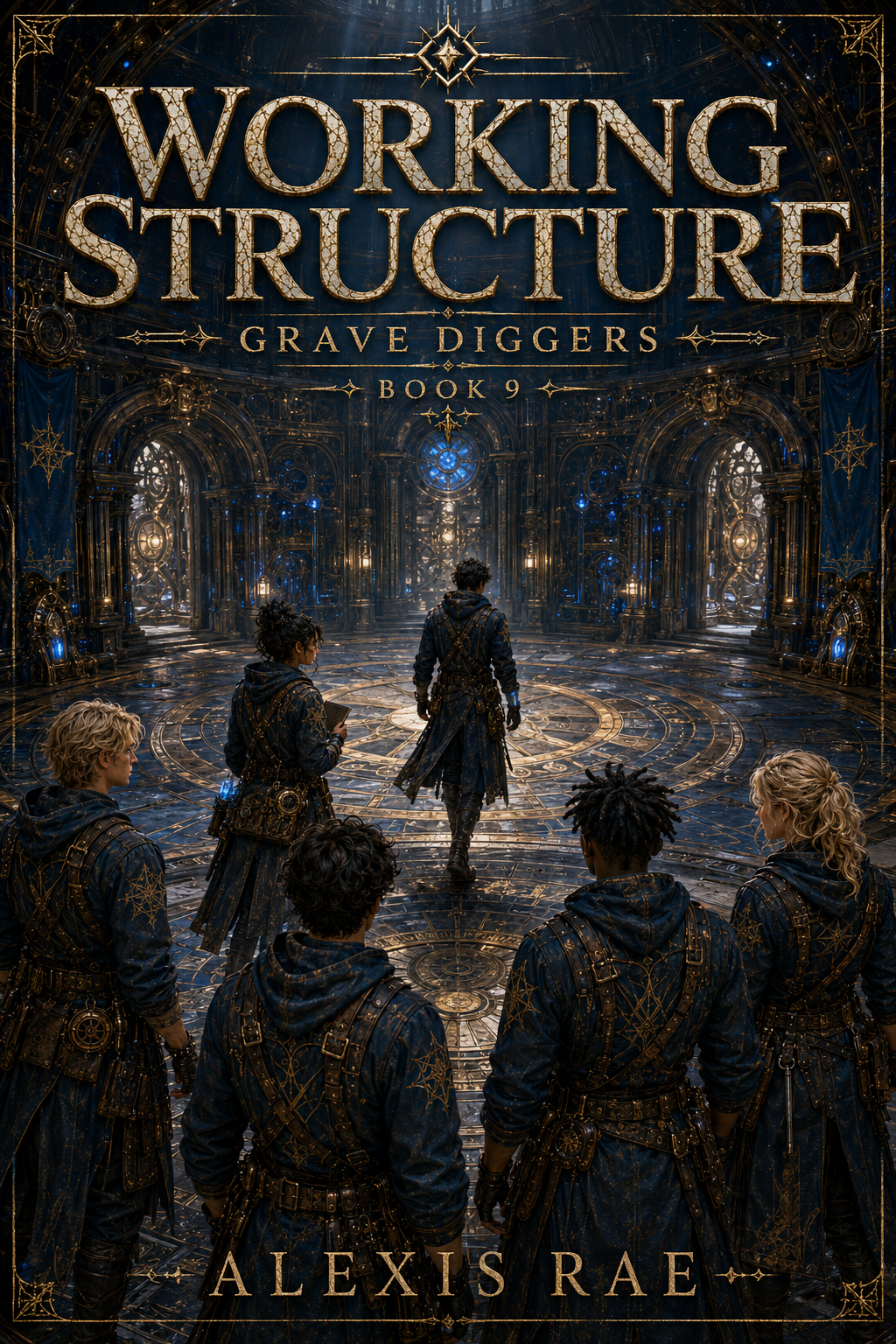
Working Structure Free season
The final chamber refuses to tell them what to do. David favors the obvious path. Loria cannot support it symbolically. Bram has no hazard evidence. Joss has no mechanism to read. Lucan cannot arrange the six into a formation that removes the ambiguity. Melody finally accepts what the Maze Works has been teaching her from the beginning: Uncertainty is not always a problem that disappears before the decision. Sometimes the decision has to carry it. So Group Four moves through the final challenge as a chain of provisional choices, adjusting whenever the next piece of evidence arrives rather than pretending the first decision settled everything. They make it out. The academy gives them something they did not enter with: an institutional reason to remain connected. Not a permanent team. Not a finished method. A working structure. And Melody has learned enough not to confuse persistence with stability.